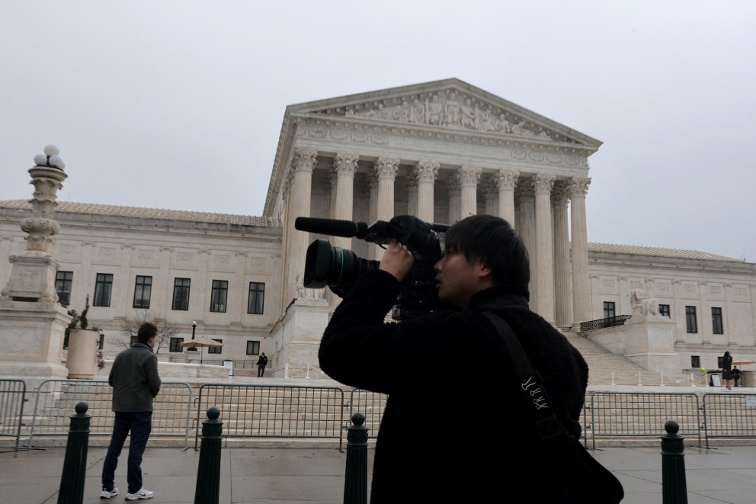
(The Center Square) – The U.S. Supreme Court, in a 5-4 decision on Monday, ruled that states can accept and count mail-in ballots received after the federal Election Day.
The decision comes out of the high court’s ruling in Watson v. RNC, a case challenging Mississippi’s acceptance of mail-in ballots up to five days after Election Day as long as the ballots are postmarked by that day.
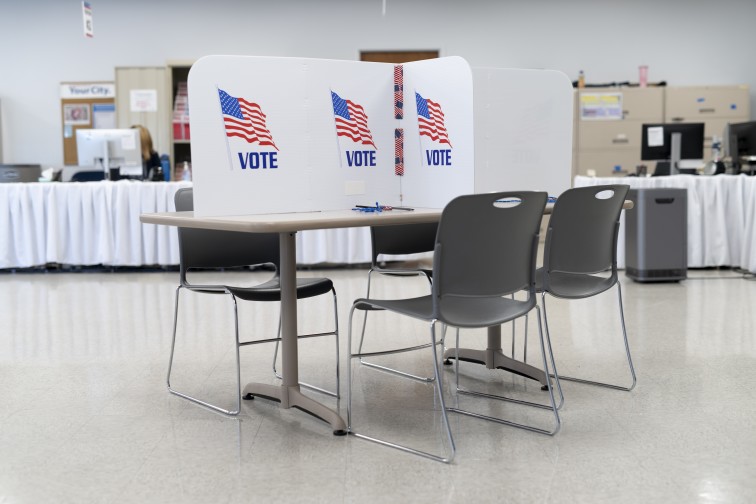
Fourteen states and the District of Columbia allow mail-in ballots to be received after Election Day. In Illinois, mail-in ballots can be received up to 14 days after Election Day.
Justices on the high court said the decision in the case was narrowly tailored to recieving mail-in ballots after the federal Election Day. Justice Amy Coney Barrett said the ruling does not affect Congress’ ability to regulate federal elections or the practice of absentee voting.
"The federal election-day statutes do not preempt Mississippi’s law because the defining element of an ‘election’ has always been the electorate’s choice of candidate," Barrett wrote in the court’s majority opinion.
Barrett pointed to laws allowing military and overseas voters to cast ballots that are counted after the federal Election Day to support the high court’s majority opinion. She also said the high court’s ruling is in line with the constitution on election laws.
"The Constitution requires the ‘Day on which [the electors] shall give their Votes’ to be ‘the same throughout the United States,’ but says nothing about the day for receipt," Barrett wrote.
Advocates for receiving mail-in ballots by the federal Election Day pointed to recent changes in the U.S. Postal Service’s postmarking policy. In December, USPS changed its postmark policy to reflect when mail arrived in a processing facility, rather than when it was dropped off.
Several justices on the court disagreed with the majority. Justice Samuel Alito said the definition of Election Day provided by the majority is not straightforward. He said the choice of candidates should be clear by Election Day and that mail-in ballots confuse that process.
"If ballots received after election day are added to the set of ballots that dictate the election’s outcome, the electorate’s choice does not occur on election day, and the federal election-day statutes are violated," Alito wrote.
Justices Clarence Thomas and Neil Gorsuch dissented alongside Alito. Justice Brett Kavanaugh agreed with most of Alito’s dissent.
The ruling will uphold mail-in ballot reciept deadlines in states across the country unless Congress changes the law.