
China
Popular news

The Fifth Plenary Session of the Communist Party of China Focuses on 'Party Governance' as Absolute Loyalty Faces a Dilemma
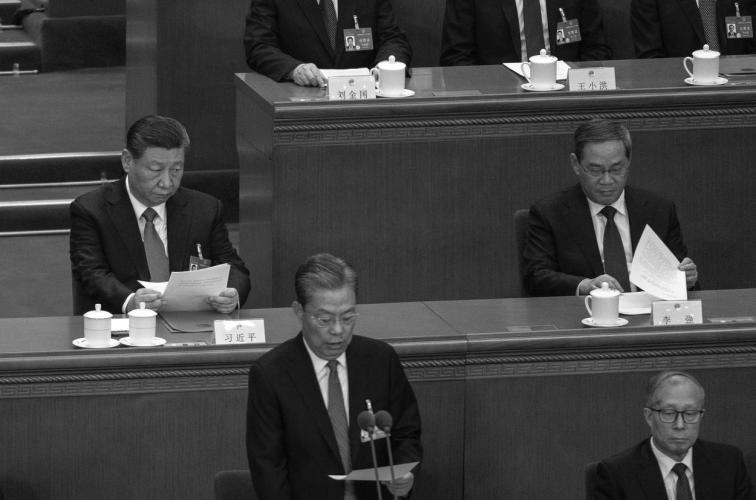
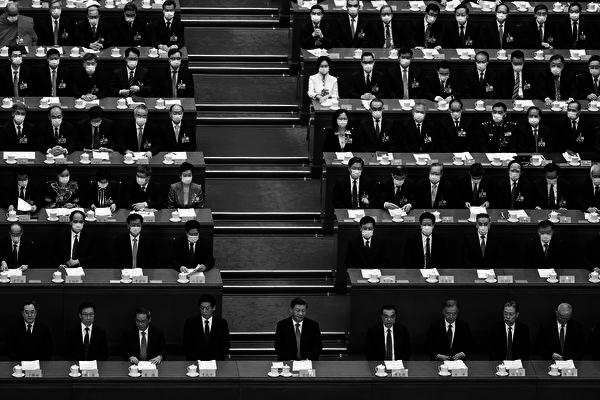
The Fifth Plenary Session of the 20th Central Committee of the Communist Party of China commenced today (26th) in Beijing.




Kim Jong-un Makes Sudden Visit to China, Quelling Death Rumours
North Korean leader Kim Jong-un unexpectedly visited China on the 24th, marking his first trip back to the country in over a year. Analysts suggest that this visit may be intended to reaffirm the 'comprehensive strategic partnership' between North Korea and China ahead of the 'Anti-American Aid Korea' anniversary on the 25th.

Political Bureau Meeting Takes a Grim Turn, Attendance Rate at Fifth Plenary Session Hits Record Low
In late October 2026, while Beijing's weather had just begun to feel like early winter, the political atmosphere above the city had already descended into a chilling winter. The Chinese Communist Party's Political Bureau has been issuing stern warnings, the party's publications have been releasing high-profile articles, and a series of events, including commemorations of the Long March and intensified anti-corruption campaigns, have been unfolding.

National Security Officials: Huang Yihau's Fake Car Accident Orchestrated by Mastermind 'K' Who Entered Taiwan to Carry Out Mission
Taiwanese comedian Huang Yihau was intentionally struck by a vehicle in September. An unnamed official from Taiwan's national security agency disclosed to Radio Free Asia that investigators found on the suspect's mobile phone that the Chinese side had explicitly instructed them to hit Huang Yihau until he was 'crippled,' aiming to incapacitate him for at least one to two weeks.

The Politburo Meeting Was Unusually Held Earlier; The CCP Issues a Call for Political Jargon in the Officialdom
Traditionally, the CCP holds its monthly Politburo meeting at the end of each month. However, this October's meeting was unexpectedly moved up by 8 days, drawing significant attention from observers. Many analysts believe that the primary reason for this deviation from routine is to create time and policy space for upcoming major personnel and political arrangements.

The Noise Behind Xi Jinping's Dominance
As the Fifth Plenary Session of the Communist Party of China approaches, various reports about Xi Jinping have once again taken centre stage in party and military media. His three titles and the loyalty phrase 'two safeguards' have frequently appeared, creating the impression that Xi continues to wield considerable power.
Huang Zhifeng Celebrates His 30th Birthday: Wishing Him Well Despite His Imprisonment
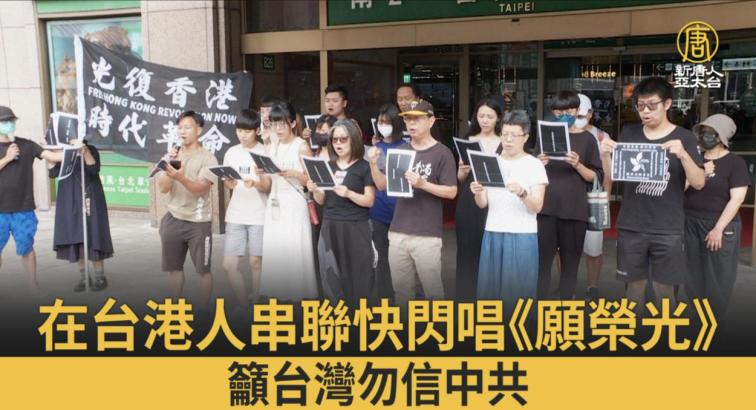
I only learned from the news that Huang Zhifeng has just turned 30. Unbeknownst to many, he has transformed from the youthful high school student we once knew into a man of strong conviction.
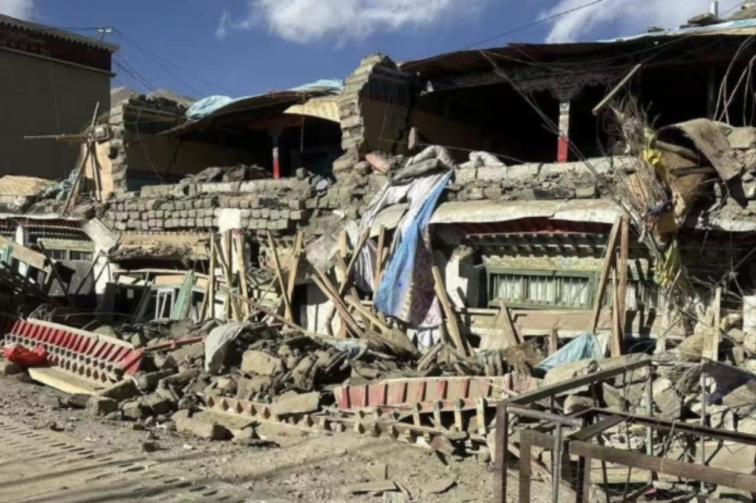
A 7.0 Magnitude Earthquake in Tibet Has Resulted in 16 Fatalities and 46 Injuries!
A powerful earthquake measuring 7.0 on the Richter scale struck Tibet late at night on October 22, with the disaster continuing to worsen. As of now, this strong quake has led to at least 16 deaths and 46 injuries, including 11 people seriously injured and 21 with minor injuries, while at least 339 houses have collapsed.

Xia Linmao’s Political Demise Exposes the Harsh Reality of China’s Communist Party
Recently, the authorities finally confirmed earlier rumours: Xia Linmao, a member of the Standing Committee of the Beijing Municipal Party Committee and executive vice mayor of Beijing, has been placed under investigation while still in office.
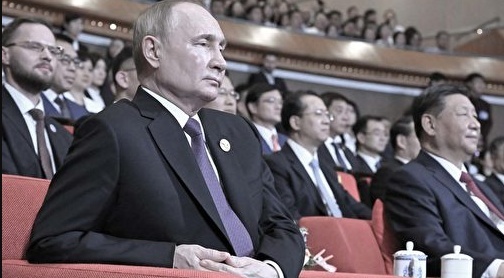
Putin Meets Li Qiang, Refers to Xi as a 'Friend' in State Media Oversight
Saint Petersburg, located in northwestern Russia and bordering the Gulf of Finland, was established by Peter the Great. It serves as a directly governed city of Russia and is a significant port and military base in the Baltic Sea region. On October 21, the 31st regular meeting of the Chinese and Russian prime ministers took place here, co-hosted by Chinese Premier Li Qiang and Russian Prime Minister Mikhail Mishustin.

Beijing Tightens Security Ahead of Fifth Plenum, Deploying Militias and Armed Police
Security has been intensified on the streets of Beijing as the Fifth Plenary Session of the 20th Central Committee of the Communist Party of China approaches. Along Chang'an Avenue, areas such as Dongdan and Xidan have seen an increase in armed police patrols in addition to mobile police checkpoints.

Kim Jong-Un 'Dies and Comes Back to Life': Did 9,000 Troops From Beijing Enter North Korea to Seize Power?
Recently, North Korea has put on a political suspense drama that is both absurd and laughable! Reports emerged that North Korea's supreme leader, Kim Jong-un, suddenly suffered a cerebral haemorrhage and fell into a coma, prompting an urgent transfer to Beijing for medical treatment. However, even the doctors in Beijing were unable to save him! The news caused a stir online, with not only Kim Jong-un's 'posthumous photo' circulating but also images of North Korean citizens mourning in tears.
Taiwanese Celebrity Targeted in CCP-Linked Murder-for-Hire Plot for Satirising Xi Jinping
Taiwanese stand-up comedian Huang Yi-hao has faced repeated threats, including having faeces thrown at him and a deliberate car-ramming attack, after performing material satirising Chinese Communist Party (CCP) leader Xi Jinping.
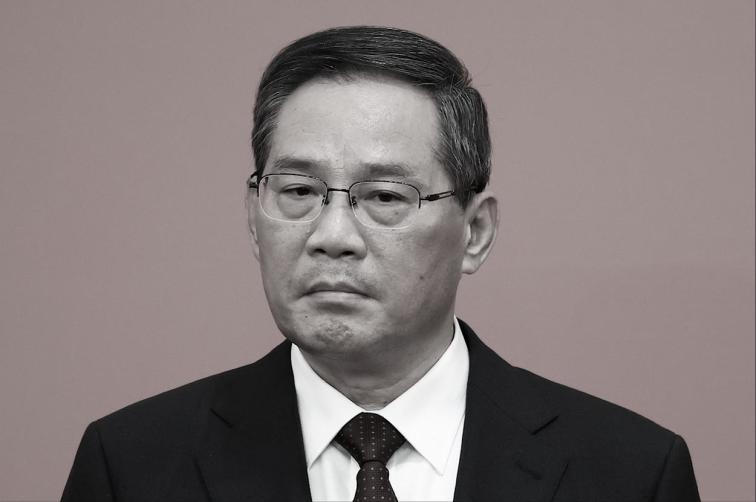
Li Qiang Meets with Russian Prime Minister, Another Anomaly: No Mention of Xi's Name
In an article published yesterday titled "Xi Can No Longer Represent the 'Central Committee' in Sending Congratulations: Three Unusual Anomalies," the author highlighted several irregularities that have surfaced within the Communist Party of China (CPC) as the countdown to the Fifth Plenary Session begins.
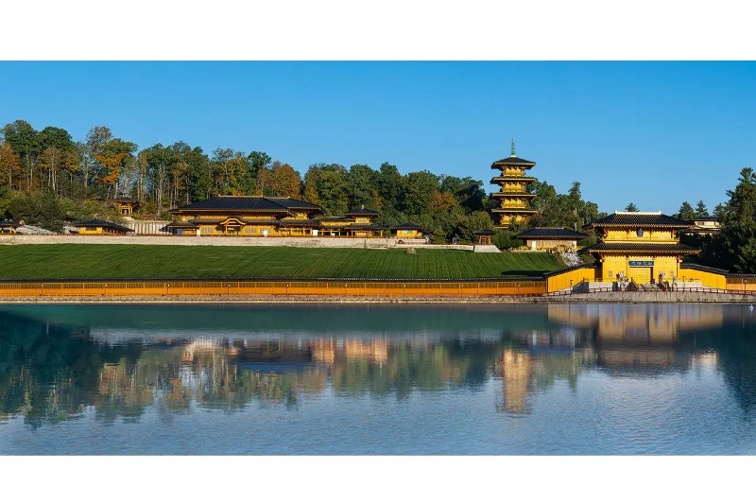
Special Screening of 'Unyielding' at Dragon Springs Calls for Spreading the Truth (Multiple Images)
According to reports from the Dajiyuan New York Bureau, the Shen Yun Performing Arts is internationally renowned, yet the Dragon Springs campus, which has nurtured many outstanding artists, is rarely open to the public. On October 17, the True Heart Film Company held a special screening of 'Unyielding' at Dragon Springs.

Xi's Four Major Signs of Danger and Their Causes
There are numerous commentators discussing the changes in the CCP's political landscape. Among them, the insights of Yu Maochun, the former chief advisor on China issues at the U.S. State Department, are particularly significant.

Economic downturn leads to severe unemployment, prompting a trend of 'pretending to work' in mainland China
China's economy has been in a prolonged slump, resulting in a persistently high unemployment rate. To alleviate their families' concerns, many unemployed individuals leave home on time each day to pretend they are going to work.

Xi Jinping Is No Longer Able to Represent the 'Party Central' in Sending Congratulatory Letters, Highlighting Three Unusual Anomalies
As the countdown to the Fifth Plenary Session of the Communist Party of China (CPC) begins, several unusual events have surfaced within the CPC. For example, in recent days, the following anomalies have occurred.
Real Estate Becomes a Ticking Time Bomb as Central Bank Holds Back Major Moves to Prevent Financial Risk Explosion
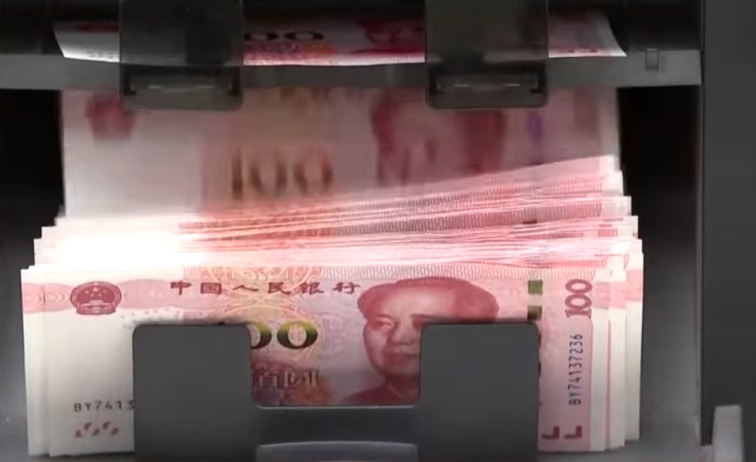
On October 19, 2026, the China Banking and Insurance Regulatory Commission and the central bank issued strong signals simultaneously. The Banking and Insurance Regulatory Commission stressed that "all financial activities must be regulated, achieving full coverage without exception."

Rumours of Kim Jong-Un's Death in Beijing Circulate; North Korean State Media Releases Photos to Counter Claims
Chinese dissident Xie Wanjun, currently in the United States, claimed on social media platform X on October 18 that Kim Jong-un had fallen into a coma due to a severe cerebral haemorrhage. Despite emergency treatment from experts at Beijing Union Medical College Hospital and subsequent efforts to save him in Beijing, he reportedly passed away, with his body secretly returned to North Korea.
Wolf Warrior Causes Trouble Again: Chinese Ambassador to the Philippines Declared Unwelcome
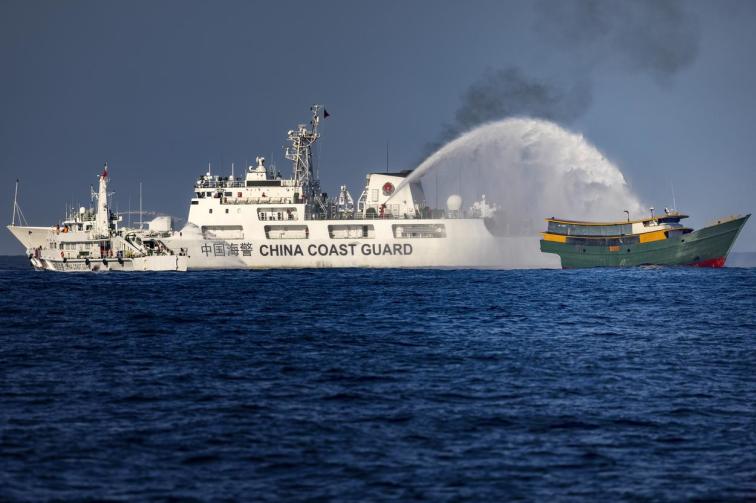
Recently, Jing Quan, the Chinese ambassador to the Philippines known for his 'Wolf Warrior' diplomacy, has sparked controversy with his unrestrained comments. On October 19, Philippine Foreign Secretary Maria Theresa Lazaro summoned Jing Quan to express 'serious concern and strong opposition' regarding his recent statements, informing him that his remarks made to the media last week were 'provocative and unacceptable.' Furthermore, a Philippine senator has formally proposed to designate Jing Quan as an unwelcome person.