
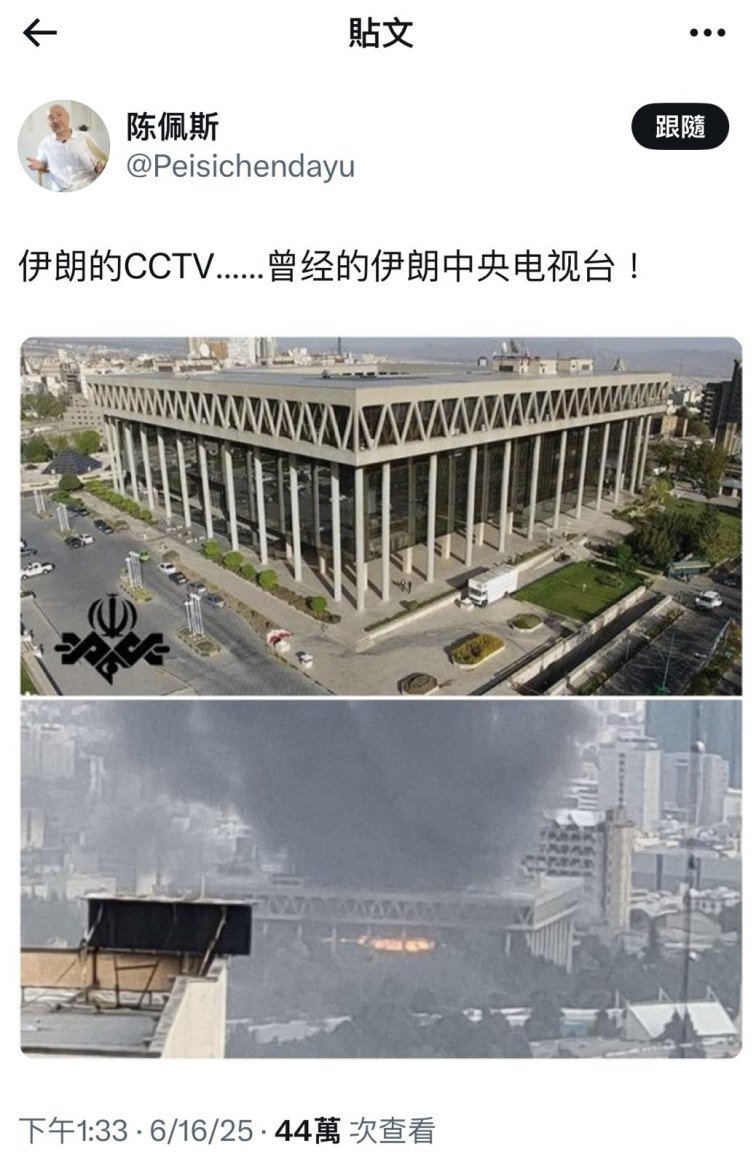
Photo included: Before and after of Iran's state broadcaster building following the airstrike (Image from the internet)
[People News] The anti-government protests in Iran, which began on December 28 last year, have intensified. As of now, demonstrations have spread to over 280 locations across all 31 provinces in Iran. According to the U.S.-based 'Human Rights Activists News Agency,' the protests have led to at least 42 deaths and over 2,270 detentions. Reports indicate that protesters have taken control of several cities, raising the possibility of the Iranian regime being overthrown at any moment.
Videos from Agence France-Presse show that a new wave of protests erupted in Iran late on January 9, with crowds gathering in northwestern Tehran to demonstrate, undeterred by government crackdowns. Protesters chanted anti-government slogans, including 'Down with Khamenei.' Many banged pots and pans, while numerous cars honked their horns in support.
In response, U.S. President Trump remarked, 'Iran is in big trouble. In my view, the people are taking over some cities, and just a few weeks ago, no one thought this could really happen.' He also reiterated that he might consider military action.
After a call from the exiled Iranian Crown Prince Reza Pahlavi on January 8-9, a large number of people took to the streets to protest. The government quickly blocked internet access and international phone calls in an attempt to sever communication with the outside world.
However, during the 2022 protests in Iran, Elon Musk activated the Starlink network for protesters to use for free, without any official announcement, despite the Iranian internet being blocked. The leaders of the protests were aware of and utilised this network service.
Reports indicate that Iranian citizens have gathered on Pirouz Street in the capital Tehran, located just a few hundred meters from the central command of the Islamic Revolutionary Guard Corps near Shahada Square. This site is regarded as one of the key headquarters of the Revolutionary Guard in the capital.
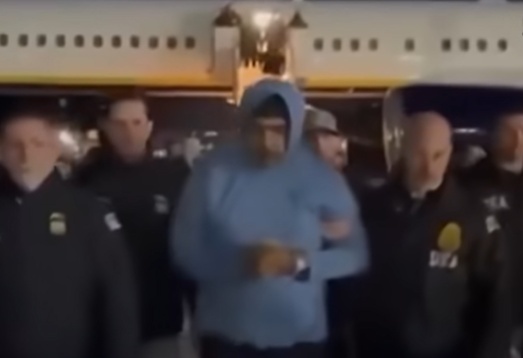
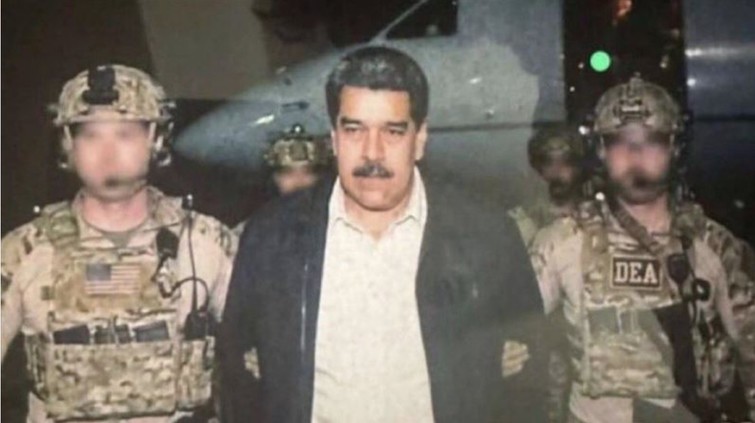
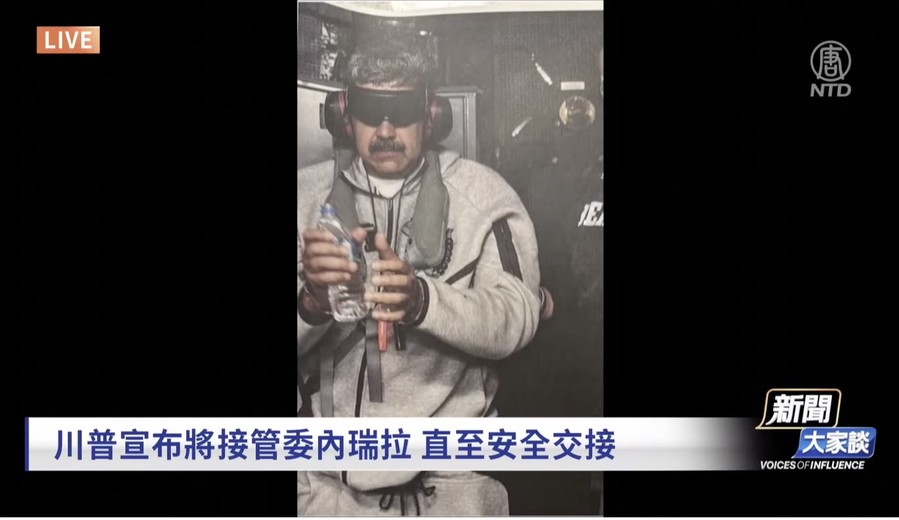
Israeli media have reported that the United States and Israel may consider actions against Iran that resemble the Venezuela model, which could include the arrest of Supreme Leader Ali Khamenei.
On January 8, Trump stated that Iran is 'on the brink of collapse' and that Khamenei is 'seeking to escape.' He mentioned that he is closely monitoring the situation in Iran, warning that if the Iranian government continues to kill protesters, the United States will respond forcefully. He also encouraged the Iranian people to maintain a strong belief in freedom.
The Quincy Institute for Responsible Statecraft has assessed that the United States and Israel might take military action against Iran.
The catalyst for the anti-government protests in Iran was the collapse of the Iranian rial's exchange rate, which plummeted to 1 dollar for 1.42 million rials, marking a historic low and intensifying inflationary pressures. This led to protests erupting in two major markets in downtown Tehran. The protests then spread to additional cities and several university campuses. Protesters also stormed the governor's office, resulting in injuries to police officers. It appears that this time in Iran is different; it is not merely a group of young people protesting over headscarves or fuel prices, but rather the regime's death knell has already begun to toll.
On January 8, Iran's Supreme Leader Ali Khamenei delivered a national address, alleging that some of the protests were coordinated with foreign forces, specifically naming Trump for interfering in Iran's internal affairs. He claimed that protesters took to the streets to please Trump, suggesting that the government would escalate its crackdown on the protests.
The social conditions in Iran prior to the protests, the outbreak of anti-government demonstrations, and the Iranian government's crackdown on protesters bear a striking resemblance to the situation in China.
The current wave of protests in Iran was sparked by the dramatic devaluation of the Iranian currency and skyrocketing prices, quickly transforming into a full-scale challenge to the theocratic regime. Similarly, China is facing a severe economic downturn, with persistently high unemployment rates, declining living standards, and growing public discontent. When the people's 'livelihood issues' escalate into 'survival issues,' not only the lower classes but even the middle class come to realise that tomorrow will always be poorer than today. This sense of despair, characterised by having 'nothing to lose,' is precisely the kind of fuel that dictators fear the most.
Moreover, the narrative of 'foreign forces' has completely lost its effectiveness in Iran. This term is a consistent excuse used by the Chinese Communist Party (CCP) to label and condemn others. Last December, one of the three charges against Jimmy Lai (Li Zhiying), the founder of Hong Kong's Next Media Group, was the so-called 'conspiracy to collude with foreign forces.' It appears that Iran, as a close ally of the CCP, has adopted this underhanded tactic as well. Not only does it suppress its own citizens, but it also directs criticism at the United States.
In reality, the CCP itself is the archetypal foreign force. The founder of communism, Karl Marx, was German. With the assistance and direction of the Soviet-led Third International, the Chinese Communist Party was able to establish itself. Wasn't the Soviet Union the foreign force at that time? It aided the Chinese Communist Party in seizing the legitimate power of the Kuomintang.
However, the primary concern of the Chinese Communist Party at this moment is the stance of the United States. Trump's statements and actions regarding Iran are likely to be directed at China in the future as well. This has escalated into a warning from Trump to the Chinese Communist government: 'Put down the weapons you use to suppress the Chinese people, or I will send troops to eliminate Xi Jinping!'
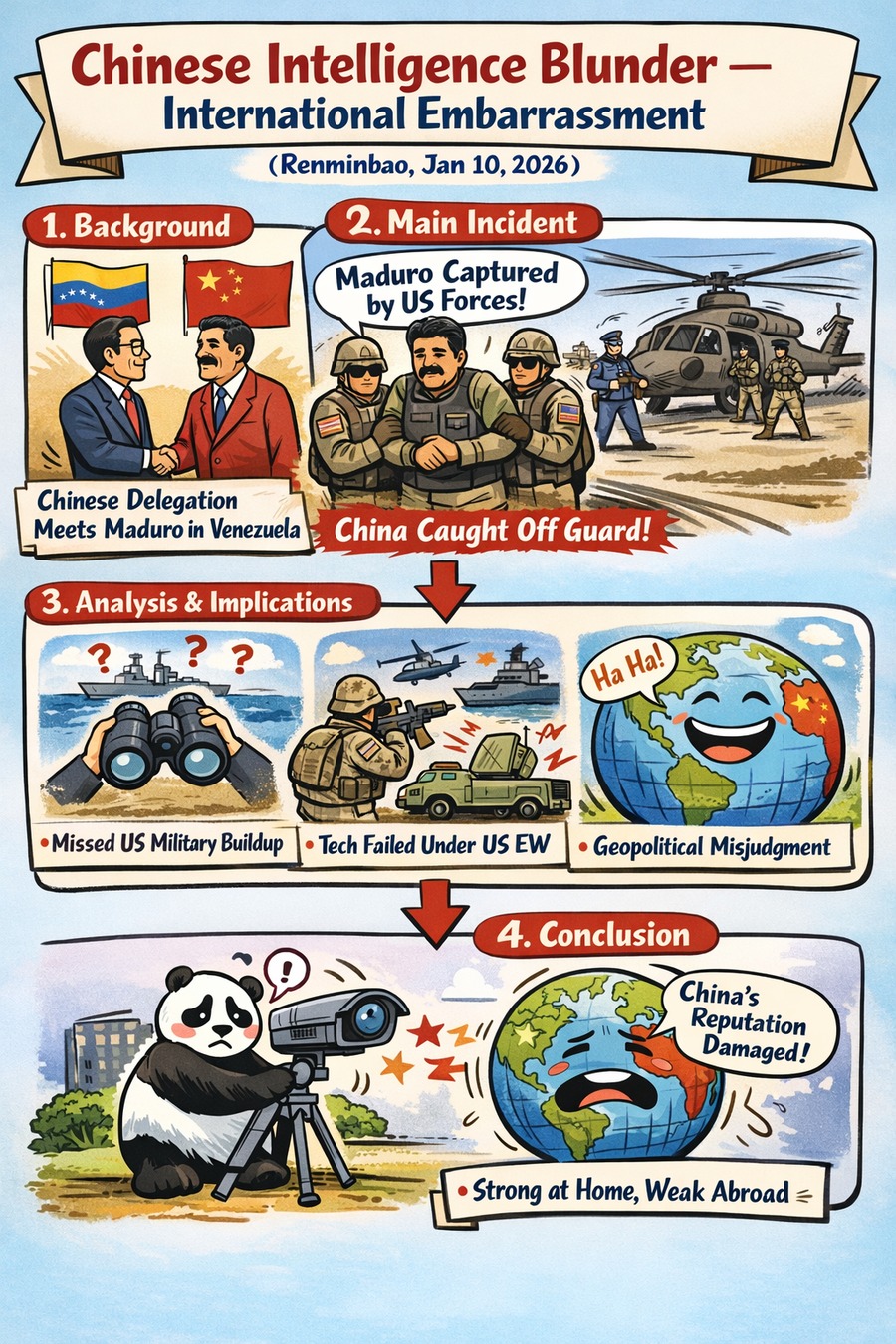
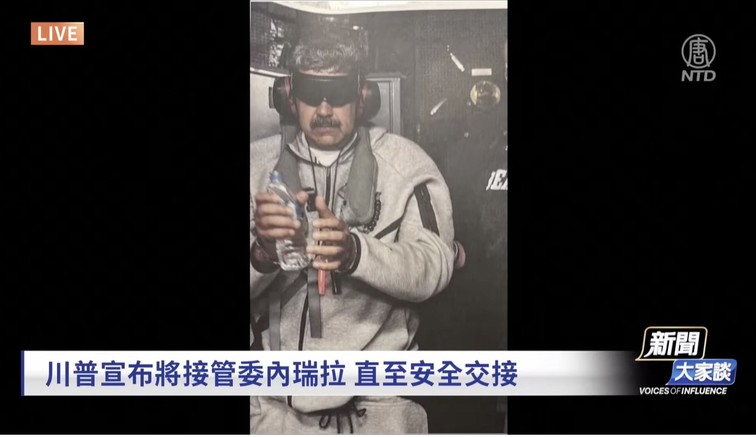
If Iran experiences a regime change, it will represent another significant blow to the Chinese Communist regime, following the capture of Maduro. Additionally, it serves as an example for the Chinese people.
(People News first published)
△



News magazine bootstrap themes!
I like this themes, fast loading and look profesional
Thank you Carlos!
You're welcome!
Please support me with give positive rating!
Yes Sure!