

Will March Be Xi Jinping’s Turn?
[People News] Although the Chinese Communist Party (CCP) expressed sympathy over the fall of Ayatollah Khamenei—calling his death an “assassination” and lowering flags to half-mast in mourning—the development that truly alarms Xi Jinping’s regime is the phrase used by Chinese Foreign Minister Wang Yi: “regime change.”
During a phone call with Russian Foreign Minister Sergey Lavrov, Wang Yi emphasized that the United States and Israel had openly killed the leader of a sovereign nation and that “encouraging regime change” was unacceptable.
Pay attention to those four words—“regime change.” In diplomatic language, this is an extremely serious accusation. Beijing reacted so strongly because it sees its own reflection in Khamenei’s fate. If the United States can achieve regime change in Iran through “precision decapitation” and intelligence infiltration, then who could be next? This is precisely what frightens Xi Jinping the most.
According to exclusive information reported by The Dajiyuan, the CCP leadership has recently been holding frequent secret meetings. The focus of their internal discussions is not the outcome of the battlefield but whether Iran’s power structure is beginning to loosen.
Even more striking, insiders revealed that members of the CCP’s Politburo Standing Committee repeatedly mentioned the need to “learn the lessons from the collapse of the Soviet Communist Party.” Such historical comparisons are extremely rare and serious signals within CCP internal discussions. Their concern is not just oil prices, but the “demonstration effect.” When Iranian citizens celebrated Khamenei’s death online and anti-government protests erupted, Beijing worried that such ideas could spread like a virus among the Chinese public and trigger internal divisions. For the CCP, the risk of political spillover always ranks above economic losses.
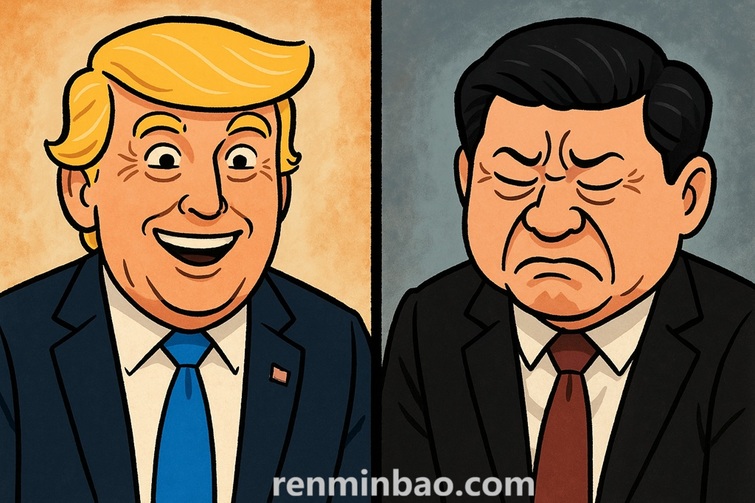
Beyond the possibility of regime collapse, what Xi Jinping personally fears most is the “highly sophisticated intelligence and tracking system” mentioned by Trump. When announcing Khamenei’s death, Trump specifically praised that system. To Xi Jinping, those words sounded almost like a death warrant.
Michael Pillsbury? Wait check – Actually article says Yu Maochun (Miles Yu).
The director of the China Center at the Hudson Institute, Yu Maochun (Miles Yu), pointed out that Xi Jinping has now fallen into severe “bottom-line thinking”—a mindset of extreme defensive caution. Xi has begun to suspect that everyone around him could be an American “insider.” Such fear may push Xi to launch a “Stalin-style purge,” plunging the bureaucracy and the military into a life-or-death struggle.
Ironically, Xi’s deep distrust of those around him could encourage some military figures, seeking self-preservation, to cooperate with outside forces to overthrow the regime—creating a vicious cycle.
Professor Yu Maochun recently publicly called for the idea that regime change should no longer be treated as a political taboo, but rather as both a moral responsibility and a strategic option. He stated bluntly that Xi Jinping fears most the possibility of a U.S.-supported “color revolution” or “peaceful evolution.” If the United States signals that regime change is a realistic possibility rather than a forbidden topic, that alone would be the strongest deterrent to dictators.
Yu also argued that if the free world does not attempt to change the CCP regime, the CCP will try to reshape the free world through “systemic infiltration.” What Xi fears most is not war, but regime change driven from within and guided from outside.
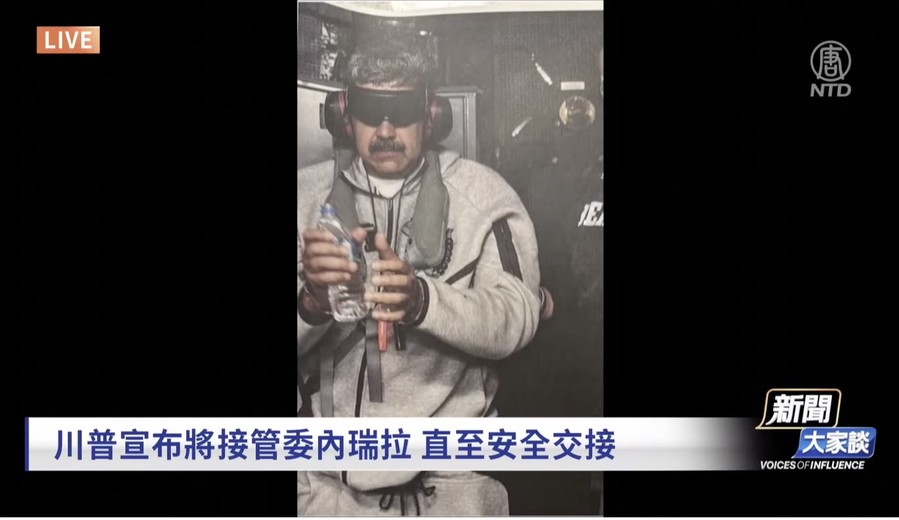
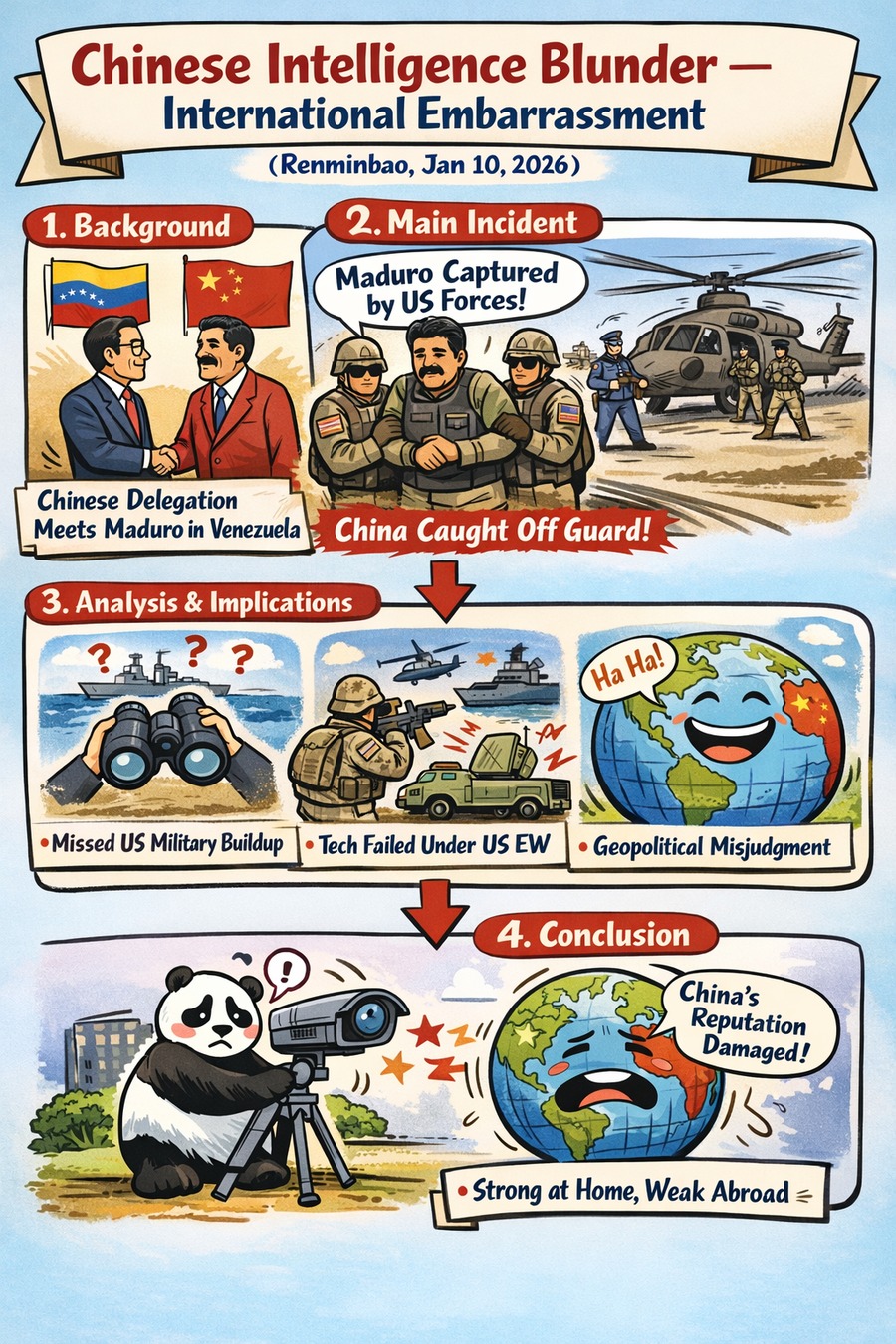
Maduro in January.
Khamenei in February.
Now Beijing wonders: is the storm of March heading its way? △





News magazine bootstrap themes!
I like this themes, fast loading and look profesional
Thank you Carlos!
You're welcome!
Please support me with give positive rating!
Yes Sure!